Can Offset Printing Handle Various Paper Finishes? Explained
Gloss, matte, uncoated, silk — offset printing works with a wide range of paper finishes. We explain what is available and how each finish affects the look and feel of your printed piece.
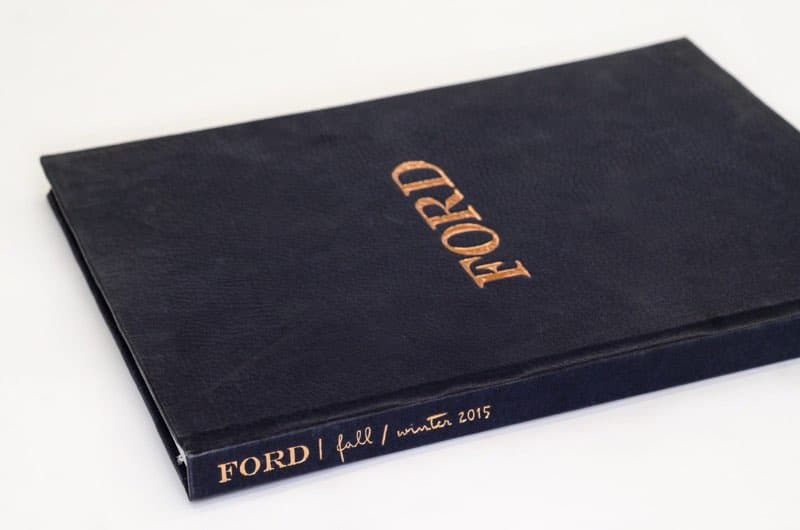
Paper Finish Makes a Dramatic Difference
One of the most powerful — and often underestimated — decisions in any print project is the choice of paper finish. At VSL Print, we work with clients across Manhattan to select paper stocks that enhance their design, align with their brand, and perform correctly on our offset presses. The good news: offset printing handles a wide range of paper finishes with excellent results.
Coated Papers: Gloss, Matte, and Silk
Coated papers have a surface treatment applied during manufacturing that controls ink absorption. This makes them the preferred choice for most commercial offset printing because they deliver sharper images and more vibrant color reproduction.
Gloss Coated
Gloss coated paper has a shiny, reflective surface that makes colors appear saturated and photos pop. It is the standard choice for:
- Brochures and sales materials
- Catalogs and product sheets
- Magazine-style publications
- High-impact promotional pieces
The one consideration with gloss: fingerprints and glare can be factors in pieces handled frequently.
Matte Coated
Matte coated paper has a non-reflective surface that gives printed pieces a sophisticated, understated look. Colors appear slightly softer than on gloss stock, but readability of body text is excellent. Popular for:
- Annual reports and corporate communications
- Art books and photography books
- Luxury brand materials
Silk / Satin Coated
Silk (or satin) coated paper occupies the middle ground between gloss and matte. It offers excellent color reproduction with reduced glare, and feels premium in hand. Many of our clients choose silk for high-end brochures and book covers. Those covers typically move straight from press to our in-house bindery services, so the finished book comes together under one roof.
Uncoated Papers
Uncoated papers have no surface coating, which means ink absorbs into the fibers more readily. This produces a softer, more organic look and feel. Offset printing works well on uncoated stocks, though ink coverage and color vibrancy will differ from coated results.
Uncoated stocks are popular for:
- Business stationery (letterhead, envelopes)
- Notepads and writing pads
- Craft and recycled look materials
- Legal and financial documents
Specialty Finishes and Textured Stocks
Beyond the standard coated/uncoated distinction, offset printing can handle a variety of specialty and textured papers:
- Laid finish: Features fine parallel lines for a traditional, classic appearance — often used for letterhead and formal stationery.
- Linen finish: A woven-texture surface that adds tactile interest.
- Felt finish: Soft, suede-like surface used in premium packaging and upscale marketing materials.
- Recycled / kraft stocks: Available in various weights for eco-conscious projects.
Post-Press Coating Options
Beyond the paper stock itself, we also offer post-press coatings that further modify the surface after printing:
- Aqueous coating: A water-based protective coat that adds gloss or matte finish and protects ink from scuffing.
- UV coating: A high-gloss, hard coating applied and cured by UV light — dramatic shine and excellent durability.
- Soft-touch laminate: A velvety matte laminate that is exceptional for premium branding.
Opacity, Brightness, and Whiteness
Beyond finish and weight, three paper properties quietly shape how a printed piece looks. Opacity measures how much light passes through the sheet; low opacity causes show-through, where ink on the reverse side is faintly visible — a real concern on lightweight, double-sided pieces with heavy coverage. Brightness describes how much light the surface reflects, affecting contrast and how crisp the ink appears. Whiteness describes the shade of the white itself, which can lean blue-white or cream; that base tone subtly shifts every color printed on top of it, which is why the same file can look cooler or warmer depending on the stock. For photography and brand color, choosing a bright, neutral-white sheet keeps colors true to intent. Several of these properties come into play again in our tips on double-sided offset printing, since opacity decides how much shows through.
Matching Finish to Use and Handling
How a piece will be handled should influence the finish as much as how it looks. A frequently touched menu, membership card, or sales sheet benefits from a protective coating or laminate that resists fingerprints and scuffing. A direct mail piece that must survive the postal stream is more durable with a coated or laminated surface. By contrast, anything that needs to be written on — reply cards, forms, notepads — should stay uncoated so ink and pencil take readily. Thinking through the piece's real-world journey, not just its first impression, leads to a finish that still looks good after weeks of use.
How Paper Weight and Caliper Interact With Finish
Finish is only half the paper story; weight and thickness shape the result just as much. Paper is specified by basis weight (for example, 100 lb text or 80 lb cover) and by caliper, the actual thickness measured in points or "mils." A heavier, thicker sheet feels more substantial in hand and resists show-through, which matters on double-sided pieces with heavy ink coverage. A glossy coating on a lightweight text sheet reads very differently from the same coating on a rigid cover stock. When you choose a finish, consider it together with weight: a soft-touch laminate on a thin card can feel flimsy, while the same laminate on a 16-point cover feels genuinely luxurious.
How Finish Affects Ink and Drying on Press
Different finishes behave differently as ink meets paper. On coated gloss and silk stocks, ink sits up on the sealed surface, holding fine detail and producing dense, vivid color. On uncoated sheets, the surface is absorbent, so ink soaks slightly into the fibers — colors look softer, dot gain increases, and fine reverse type needs a little extra care. This is why the exact same file can look noticeably different across stocks. A seasoned printer accounts for these tendencies during prepress, adjusting expectations and, where needed, the color build so the printed result matches your intent on the stock you have chosen.
Matching Finish to the Job
- Photography-driven pieces: Gloss or silk coated, for maximum color punch and detail.
- Text-heavy reading: Matte coated or quality uncoated, to reduce glare and ease the eye.
- Premium tactile branding: Soft-touch laminate or felt/linen textured stock.
- Writeable surfaces: Uncoated, so pens and stamps take readily.
Frequently Asked Questions
Can I write on coated paper? Pencil and many pens struggle on glossy coated stock because the surface is sealed. If the piece needs to be written on — forms, reply cards, notepads — choose uncoated or a writeable matte.
Does matte coated look cheaper than gloss? Not at all. Matte and silk are frequently chosen for upscale, understated pieces. The "right" finish is the one that fits the brand, not the shiniest one.
Can I combine finishes on one piece? Yes. A common premium technique is matte lamination across the whole piece with spot UV gloss on a logo or headline, creating striking tactile contrast.
How do I pick a finish if I can't see samples in person? Ask your printer to send a small swatch set or printed samples on candidate stocks. Finish and weight are tactile decisions, and holding the actual paper tells you far more than a name on a spec sheet.
Let VSL Print Help You Choose
Selecting the right paper finish involves balancing your design intent, the tactile experience you want to create, your budget, and the practical use of the piece. Our team at VSL Print in Midtown Manhattan has the experience and the sample library to help you make the right choice. Request a consultation — we'll make sure your paper finish enhances everything your design is trying to achieve.
Looking for professional offset printing services?
View Offset Printing ServicesReady to start your print project?
Get a free quote from a NYC commercial printer. Rush turnaround available.