Binding Services
Binding Services NYC
Bound to impress. Every time.
From saddle-stitched booklets to hardcover keepsakes, our in-house bindery delivers professional results with fast turnaround. Family-owned and based in NYC since 2009, VSL Print finishes every book under one roof.

Bookbinding and finishing, done in-house in NYC
Binding is the step that turns a stack of printed sheets into a finished book, catalog, or booklet, and it is where a lot of print projects quietly go wrong. The right method depends on page count, how the piece will be handled, whether it needs to lay flat, and how long it has to last. At VSL Print we run the full bindery line ourselves, so we can match the format to the job instead of forcing every project onto a single machine. That range covers everything from stapled booklets to full book binding for hardcover editions.
The process starts in prepress, where we impose your pages so they fall in the correct order once folded and trimmed. Sheets are then printed, folded into signatures, and gathered in sequence. From there the path depends on the binding style: saddle-stitched pieces are stitched through the spine and face-trimmed; perfect-bound books have their spine edge milled and glued into a scored cover with hot-melt or PUR adhesive; and case-bound books are sewn or glued into a text block that is then cased into rigid covers. Punched formats follow their own path, with pages drilled and threaded for wire-o binding so they lie flat in use. Every job is trimmed to final size on a programmable cutter and inspected before it ships.
Because we also handle offset, digital, and large-format printing under the same roof, your project never gets sent out to be finished elsewhere. That keeps quality control tight, shortens turnaround, and makes rush work realistic. As a G7-calibrated shop, we hold consistent color from the printed cover through to the bound book, which matters when you are producing a branded catalog or a corporate edition that has to look the same every run.
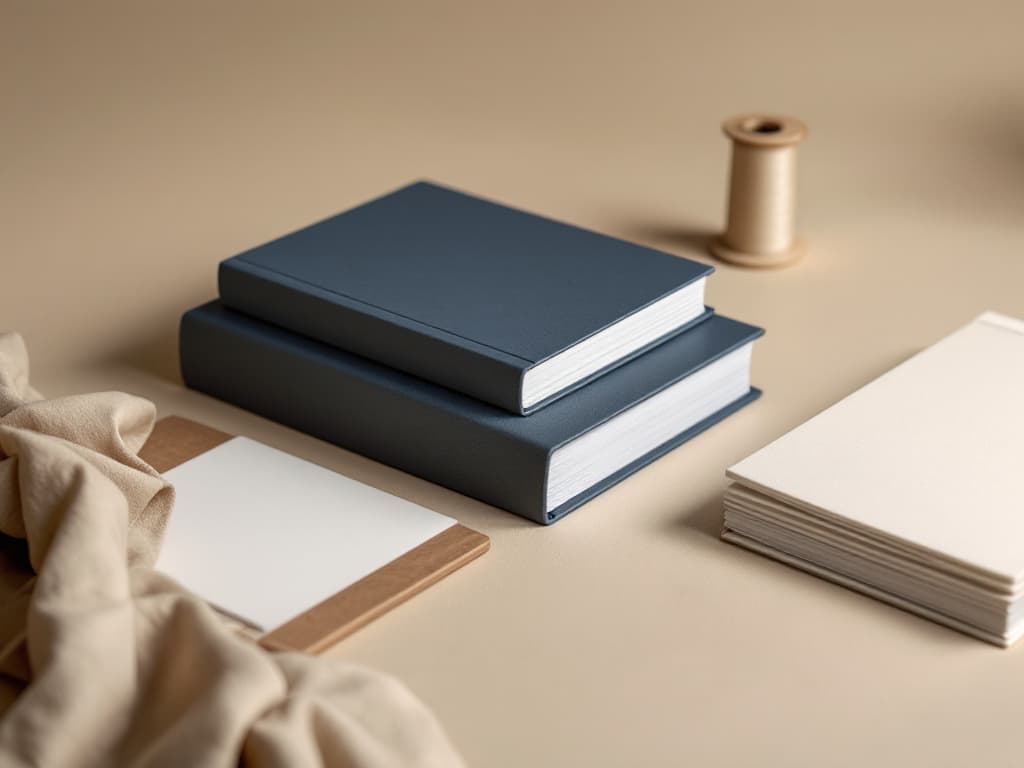
Binding Options
Choose the right binding for your publication. Each method below lists the page range it suits, typical turnaround, and the projects it works best for.
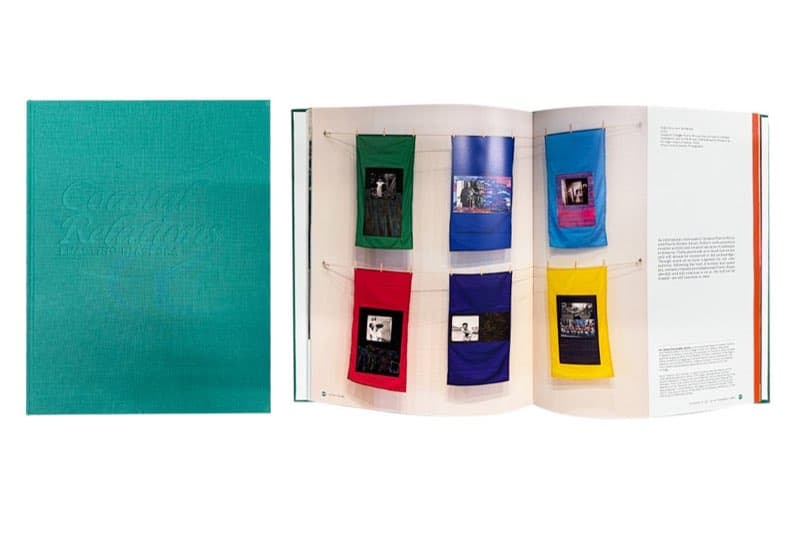
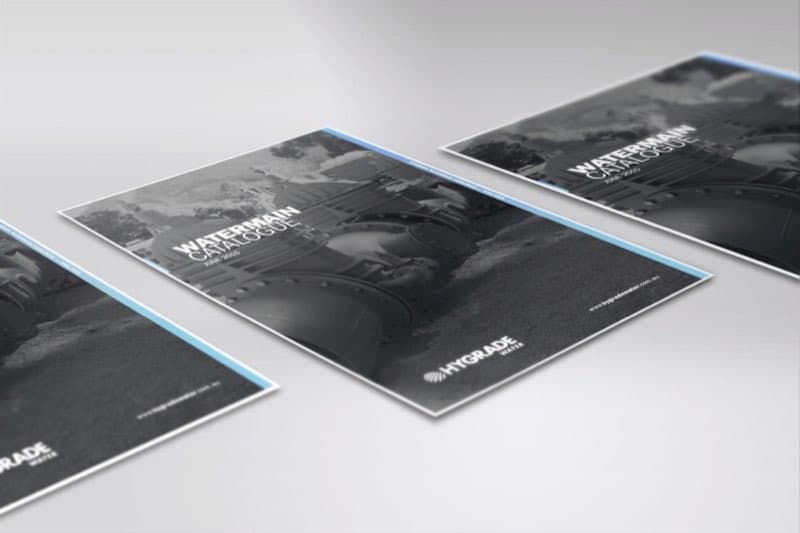
Perfect Binding
Professional flat spine binding ideal for catalogs, magazines, and paperback books.
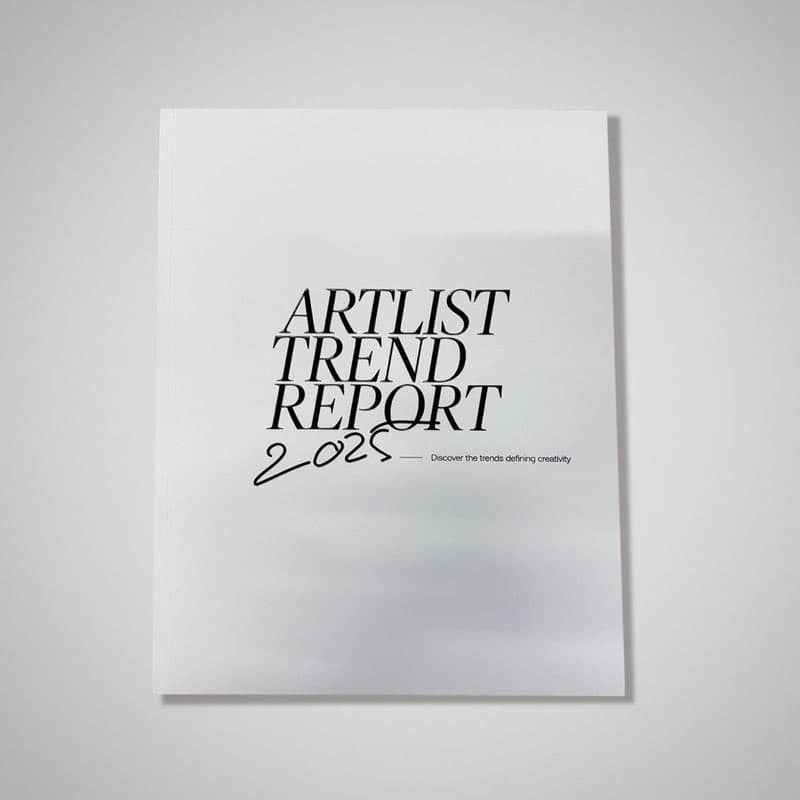
Saddle Stitch
Stapled binding through the spine, ideal for booklets and thin publications.
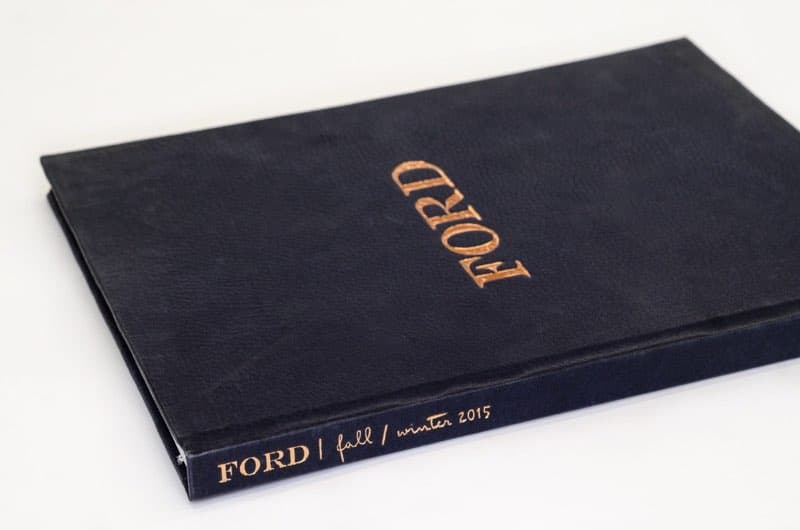
Case Binding (Hardcover)
Premium hardcover binding with cloth, leather, or printed covers.
Wire-O & Spiral
Durable coil or wire binding that allows pages to lay flat.
Binding Comparison
Compare binding options to find the right fit for your project.
| Type | Page Count | Lay Flat | Durability | Cost |
|---|---|---|---|---|
| Perfect Binding | 28-300+ | No | High | $$ |
| Saddle Stitch | 8-64 | Yes | Medium | $ |
| Case Binding | 24-500+ | Optional | Very High | $$$ |
| Wire-O | 10-300 | Yes | High | $$ |
| Spiral | 10-300 | Yes | High | $$ |
| Lay-Flat | 8-100 | Yes | High | $$$ |
Cost reflects relative price per book, not a flat rate. Saddle stitch is the most economical option for short runs of thin pieces, while case binding sits at the premium end because of the hand work and materials involved. Lay-flat binding costs more than standard perfect binding but is worth it for cookbooks, photo books, and manuals where spreads need to open fully. If you are deciding between two methods, we are happy to quote both side by side so you can weigh feel, durability, and budget before committing.
Binding Portfolio
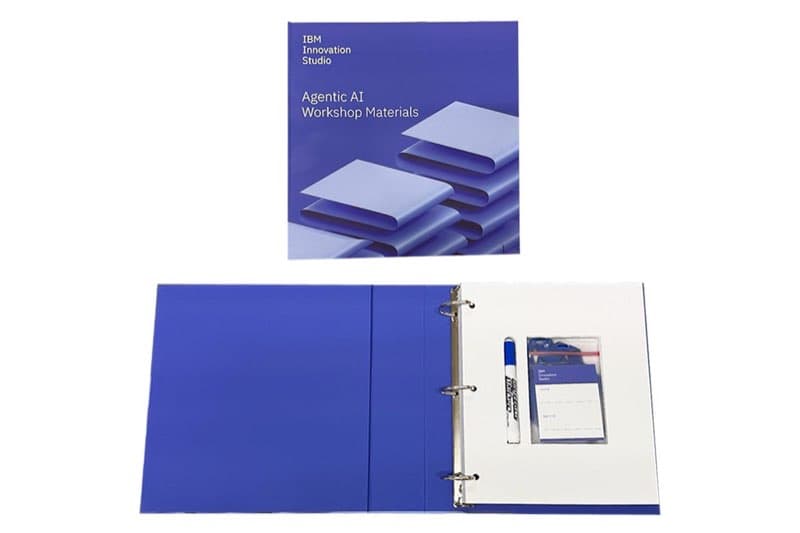
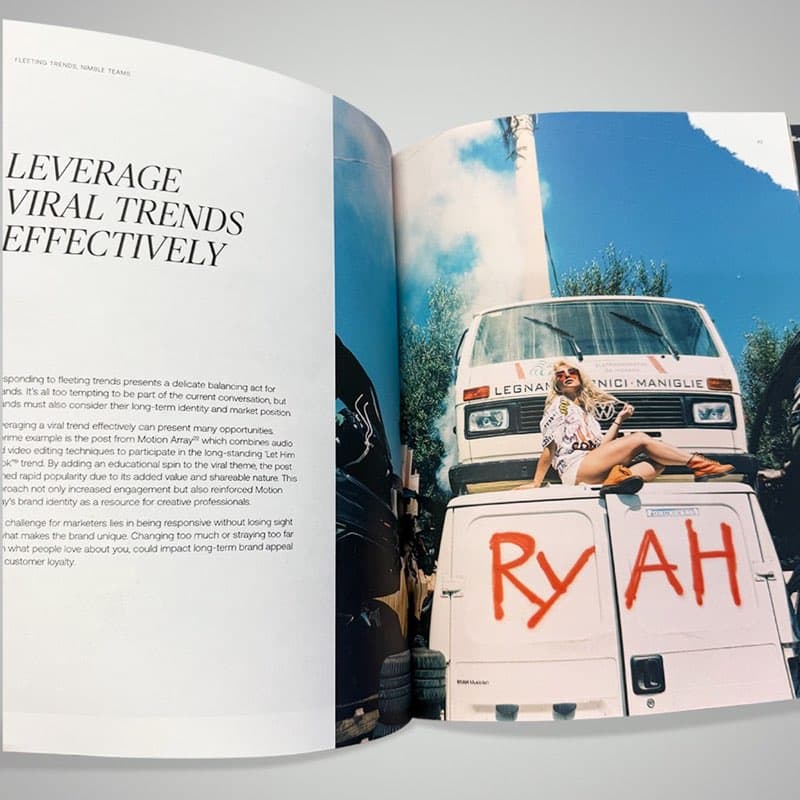
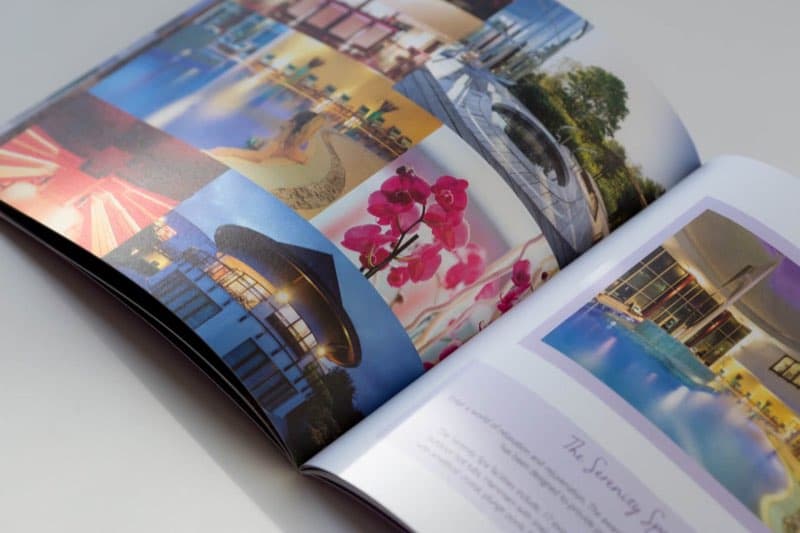
Examples of our book binding and catalog work.
In-House Bindery
Our complete in-house bindery means your projects never leave our facility. This translates to faster turnaround, better quality control, and competitive pricing. When a press sheet and its finishing live in the same building, problems get caught and fixed in person rather than bounced between vendors, which is why our bindery has handled work for clients like Porsche, Gucci, and Meta as well as Broadway and theater productions across the city.
- Saddle stitchers for high-volume booklets
- Perfect binding lines for catalogs and books
- Case-making equipment for hardcovers
- Spiral and wire-o binding machines
- Scoring, folding, and collating equipment
- Quality inspection at every step
We offer perfect binding, saddle stitch, spiral/coil, wire-o, case binding (hardcover), lay-flat binding, and Japanese stab binding. Every method is produced in-house, so we can recommend the right format for your page count, budget, and intended use rather than fitting your project to one machine.
Saddle stitch uses staples driven through the folded spine and works for booklets up to roughly 64 pages, with a low cost and the fastest turnaround. Perfect binding glues the gathered signatures into a flat, square spine you can print on, which suits catalogs, magazines, and paperbacks from about 28 pages up to 300 or more. As a rule of thumb, choose saddle stitch for thin, economical pieces and perfect binding when you need a spine, a more substantial feel, or a higher page count.
Yes. We make full case-bound (hardcover) books in-house, including cloth, leather, and printed paper covers over rigid binder board. Options include foil stamping, debossing, head and tail bands, ribbon markers, printed or colored endsheets, and dust jackets. Hardcover is the right call for coffee-table books, corporate anniversary editions, awards, and keepsakes meant to last.
Saddle stitch is our fastest method on in-stock paper. Perfect binding and wire-o take longer because glued spines need curing time and coil work is hand-finished, and case binding is the most involved, depending on cover treatment and quantity. Rush options are available on many projects, so call us with your deadline before assuming it cannot be met.
Supply a print-ready PDF in single pages (not reader spreads) at 300 DPI, with all fonts embedded and images in CMYK. Add 0.125 inch of bleed on any element that runs to the edge and keep critical text at least 0.25 inch inside the trim. For perfect-bound and case-bound jobs, leave extra margin near the spine because the gutter loses a little visibility once the book is glued. Our prepress team checks every file and flags issues before anything goes to press.
For saddle stitch and perfect binding, yes. These methods are built from folded sheets, so total page counts must be a multiple of four (8, 12, 16, and so on). If your content does not land on a multiple of four, we can add blank pages, a colophon, or notes pages to make the count work. Wire-o and spiral binding are more flexible because pages are punched individually.
Wire-o, spiral, and true lay-flat (layflat) binding all open completely flat, which makes them ideal for cookbooks, manuals, planners, and sheet music where the reader needs both hands free. Saddle-stitched booklets open fairly flat as well. Standard perfect binding does not lay flat, but our lay-flat option uses a flexible adhesive that lets spreads open without the gutter swallowing your image.
Interior text pages are usually printed on 80 lb to 100 lb gloss, silk, or uncoated text stock, while covers commonly run on 10 pt to 14 pt C2S cover stock with a protective laminate. For perfect binding we recommend a scored cover so the spine folds cleanly. Heavier or coated stocks may need scoring before folding to avoid cracking. If you are unsure, we can print bound paper dummies so you can feel the final weight and bulk before committing.
Ready to bind your project?
Get a quote for catalogs, books, or booklets. We'll help you choose the right binding.