Can I Get a Proof Before the Final Large Format Print Run? Here's Why You Need Print Proofs
Proofing large format print before the final run is not optional for serious projects — it is essential. Learn what types of proofs are available, what they reveal, and how to use them effectively.
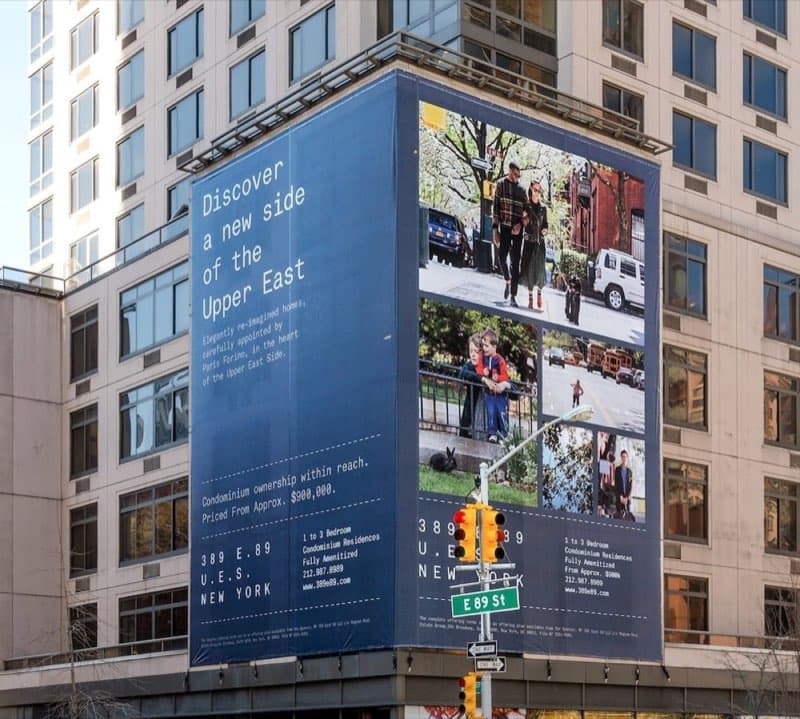
Yes — Always Request a Proof for Large Format Print
At VSL Print, we strongly encourage proofing for every large format project, and we require it for high-value or complex installations. A proof is your last opportunity to catch errors before they are printed at full size, laminated, and installed — at which point corrections require a full reprint. The cost of a proof is almost always a fraction of the cost of a reprinted and reinstalled large format piece.
What Can Go Wrong Without a Proof?
Large format printing errors that proofing would have caught include:
- Color shifts — a blue that looks rich and saturated on screen appears washed out or greenish on vinyl; a brand red that's vivid in CMYK on your monitor reproduces muted on coated fabric
- Resolution problems — an image that looks fine in a reduced PDF view reveals pixelation at full print size; catching this before a 6' × 10' banner print saves significant cost
- Text errors — typos, wrong phone numbers, outdated dates, and incorrect URLs that were missed in document review are often spotted when seeing content at actual scale
- Layout and proportion issues — elements that look balanced in a small layout preview may feel crowded or off-center at 8 feet wide
- Substrate appearance differences — the same print looks dramatically different on gloss vinyl, matte vinyl, fabric, and foam board; a proof on the actual specified material eliminates substrate surprises
Types of Large Format Proofs
Soft Proof (Digital PDF Proof)
A soft proof is a color-managed PDF delivered digitally for review on a calibrated monitor. It is fast, free, and sufficient for reviewing layout, text content, and approximate color. However, a soft proof cannot show you how colors will appear on your specific substrate, nor can it reveal resolution problems at full print size.
Reduced-Size Hard Copy Proof
A print of your design at a reduced scale (typically 25% or 50% of final size) on the actual substrate or a close approximation. This is more useful than a soft proof for evaluating color and finish, but it can still miss resolution and proportion issues that only appear at full size.
Full-Size Section Proof
For very large pieces — building wraps, full-wall murals, multi-panel displays — printing a full-size section (for example, a 2' × 4' panel from a 10' × 30' mural) on the actual substrate allows you to verify color, resolution, and finish before committing to the full production run. This is the gold standard for critical large format projects.
Full Production Proof
A complete print of the final piece in the final size on the final substrate, produced exactly as the production run will be. Used for extremely high-value projects — permanent architectural installations, flagship retail graphics — where a single full-size print justifies the proof cost.
What to Look for When Reviewing a Large Format Proof
When reviewing any proof, systematically check:
- All text for typos, grammatical errors, incorrect phone numbers, URLs, and dates
- All images for resolution quality — zoom in on print if possible to evaluate sharpness
- Color fidelity — compare key brand colors against Pantone swatches or previous approved prints
- Bleed and safe margins — verify critical content is safely inside trim lines
- Finishing details — confirm where grommets, pole pockets, or hem stitching will be placed relative to the design
Why Substrate Proofing Beats On-Screen Approval
The most important reason to insist on a physical proof for large format is that the substrate itself changes the image. A graphic that looks vivid on a calibrated monitor can read very differently once it is printed on textured matte vinyl, woven fabric, or a slightly off-white foam board. Gloss surfaces deepen saturation and contrast; matte surfaces soften and lighten the same colors; fabric introduces a subtle texture that affects fine detail. No on-screen preview can fully predict these interactions, because your monitor emits light while the printed piece reflects it off a specific material. A proof printed on the exact substrate you have specified removes that guesswork entirely.
How to Set Up a Productive Proof Review
A proof is only as useful as the conditions you review it under. View the proof in lighting similar to where the finished piece will live — a banner destined for daylight should not be judged solely under warm office lighting, which shifts color perception. Compare brand colors directly against a Pantone chip or a previously approved print rather than from memory. Have more than one person read the copy, since fresh eyes catch typos the original designer has stopped seeing. And document your sign-off: noting the date and version you approved protects both you and us if questions arise later in the run. Brand-color checks raise their own questions, most of which we answer in our article on Pantone colors in large format.
Frequently Asked Questions
Is a free PDF soft proof ever enough? For checking layout, copy, and approximate color it is fine. For brand-critical color or any large investment, a physical proof on the specified substrate is strongly recommended.
How much does a proof add to my timeline? A digital soft proof is essentially immediate; a physical substrate proof typically adds about a business day. That single day is almost always cheaper than the time and cost of reprinting an entire installation.
What if my piece is enormous — do you proof the whole thing? Rarely. For very large work we print a representative full-size section on the actual substrate, which verifies color, resolution, and finish without the cost of proofing the complete piece.
Matching Proof Type to Project Risk
Not every project warrants the same proof, and choosing the right level keeps you from overspending on simple jobs or underspending on high-stakes ones. Think of it as matching the proof to the risk:
- Low risk — internal signage, short-lived event banners, simple layouts: a digital soft proof to confirm copy and layout is usually sufficient
- Moderate risk — branded retail graphics, client-facing displays: a reduced-size hard-copy proof on or near the final substrate verifies color and finish affordably
- High risk — building wraps, permanent architectural installs, flagship graphics: a full-size section proof, or in the most critical cases a full production proof, on the exact specified substrate
The principle is simple: the more a piece costs to reprint and reinstall, the more a thorough proof is worth. A few hundred dollars and a day of proofing routinely protect projects worth many times that, and they replace anxiety with documented certainty before the press commits to the full run. When in doubt, our team will recommend the appropriate proof level for your project's scale, visibility, and budget so you are neither overspending on a simple sign nor underspending on a flagship installation.
How Proofing Fits into the VSL Print Workflow
Our standard large format workflow includes a digital soft proof sent via email before production. For projects above a certain size or cost threshold, we proactively recommend a physical proof and will outline the options and associated costs when we quote the job. We never go to full production on a large format project without documented client approval of the most recent proof. We follow the same proof-first discipline when we handle printing for Brooklyn businesses, whether the finished piece is picked up in Manhattan or delivered over the bridge.
To request a proof for your next large format project, include it in your quote request or call us at 646-843-0800. Our team will recommend the appropriate proof type for your project scale and budget.
Looking for professional large format printing?
View Large Format PrintingReady to start your print project?
Get a free quote from a NYC commercial printer. Rush turnaround available.