Turnaround Time for Large Format Printing: What's Fast, What's Realistic
Between rush fees, file processing, and finishing time, large format turnaround can be confusing. We explain what actually determines delivery speed — and how to get your order on time every time.
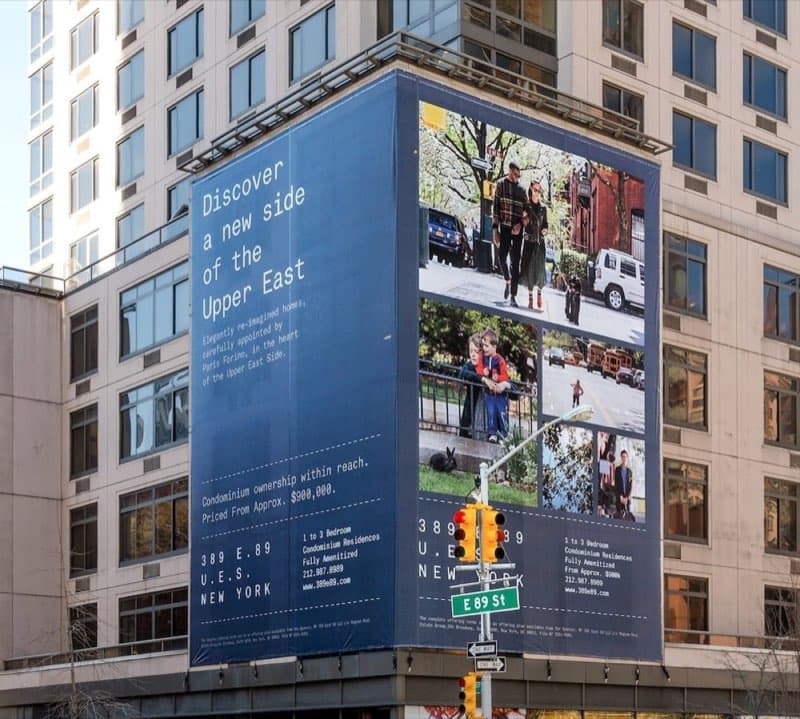
What Determines Large Format Turnaround Time
When a client calls asking "can you have this banner ready by Thursday?" the answer depends on several factors happening in sequence. Understanding the complete production timeline — not just "how fast does the press run" — is the key to planning realistically and avoiding last-minute scrambles.
The Complete Production Timeline
File Submission and Approval: The Hidden Variable
The most underestimated factor in large format turnaround is the file processing stage. Your turnaround clock doesn't start when you place your order — it starts when your approved, print-ready file is confirmed.
What can delay this stage: files submitted in RGB instead of CMYK, images at insufficient resolution for the output size, missing bleed or incorrect document dimensions, fonts not embedded or outlined, and slow response to proof approval. Submitting a clean file and approving the proof within the hour you receive it can save half a day or more. When the artwork itself is the holdup, we also offer banner design services that deliver print-ready files without stalling the queue.
Production Printing Time
Large format printing speeds vary by machine and print mode:
- Draft/production mode: Fastest, slightly lower quality — used for temporary signage and pieces not viewed closely
- Standard mode: Good balance of speed and quality — appropriate for most commercial applications
- High quality mode: Slowest — used for fine art reproductions, photography prints, and pieces viewed at close range
A production-mode 4' × 8' banner might take 15–20 minutes to print. A high-quality 24" × 36" photographic print might take 20–30 minutes per piece. The press may also be running other jobs ahead of yours in the queue.
Finishing and Drying Time
After printing, large format pieces require ink curing (UV-cured inks are ready immediately; latex inks are stable within 1–2 hours; solvent inks may need hours to outgas), lamination if specified (30 minutes to several hours plus cure time), hemming and grommets for banners (30–60 minutes per piece depending on size), and mounting if applicable.
Realistic Turnaround by Order Type
Standard Turnaround: 3–5 Business Days
This is the default for most large format print shops. It gives room for file review, one round of proof revision if needed, production, finishing, and quality check — with buffer for shop queue.
Expedited Turnaround: 1–2 Business Days
Achievable for most standard large format products — banners, foam board signs, basic rigid signs — when files are submitted clean and print-ready, proofs are approved immediately, the product doesn't require complex finishing, and rush capacity is available. Expect a 20–35% rush premium.
Same-Day Large Format Printing
Same-day is real but conditional: order before 10 AM, file must be 100% print-ready at time of order, product must be within same-day scope (simple banners and standard foam board — not vehicle wraps), and pickup is almost always required. Rush premiums for same-day are typically 40–60% above standard pricing.
Tips for Reliable On-Time Delivery
- Start earlier than you think you need to. Large format projects almost always take longer than expected, particularly for first-time orders or new designs.
- Call before you submit if your deadline is tight. A quick conversation confirms press capacity before you plan your schedule around a timeline the printer can't meet.
- Proof fast. Every hour of proof review delay is an hour off your production buffer.
- Batch your orders. Shipping a batch of orders at once is more economical and reliable than placing multiple last-minute single orders.
- Build in a day of buffer for installations. The print delivery deadline should be a full business day earlier than your installation date to accommodate logistics.
At VSL Print, we've been producing large format signage and displays for NYC businesses since 2009. We know the Manhattan event calendar and the corporate deadlines that drive our clients' urgency. If you have a tight deadline, tell us upfront — we'll tell you what's possible and plan the job accordingly. If you're still deciding what to produce, we've put together a full guide to ideal large format printing projects worth reading first.
Why "How Fast Can the Press Run" Is the Wrong Question
Buyers often assume turnaround is governed by print speed, but printing is usually the shortest stage in the chain. A banner that takes twenty minutes on the press might spend far longer waiting for file approval, queuing behind other jobs, going through hemming and grommets, and curing before it can be rolled and shipped. The realistic timeline is the sum of every stage — file processing, proofing, queue position, production, finishing, curing, and logistics — not just the press run. This is why two shops with identical equipment can quote very different delivery dates: their queues, finishing capacity, and proofing turnaround differ.
The Three Levers You Actually Control
Most of the turnaround variables are in the printer's hands, but three are squarely in yours, and they have outsized impact:
- File quality. A print-ready file in the correct color mode, resolution, and dimensions skips the back-and-forth that adds days. File problems are the leading cause of blown deadlines.
- Proof response time. A proof sitting unopened in your inbox stalls the entire job. Approving within the hour can save half a day or more.
- Lead time. Ordering a day or two earlier than you think you need is the cheapest insurance against rush fees and tight-deadline stress.
When to Choose Rush — and When Not To
Rush production is a real capability, but it isn't free and isn't always wise. A genuine event deadline justifies the premium and the operational reshuffling involved. But paying a 40–60% same-day surcharge on a project that simply wasn't planned ahead is avoidable cost. Before requesting rush, ask whether moving your own internal deadline back by a day eliminates the need entirely. When rush is genuinely required, call rather than email — a live conversation confirms capacity and locks in the plan faster than a queued message.
Frequently Asked Questions
What's a realistic standard turnaround for a banner? Two to three business days from approved file to finished piece is typical, with buffer for proofing and queue.
Can complex displays be rushed? Less reliably. Multi-component displays involve multiple substrates and finishing steps that resist compression. Simple banners and rigid signs rush far more easily.
How do I guarantee an on-time delivery? Submit a clean file, approve the proof immediately, confirm capacity with the printer in advance, and build in a day of buffer before your hard deadline.
How Queue Position Quietly Shapes Your Date
Two jobs with identical specs can finish days apart simply because of where they land in the production queue. A shop running near capacity may have your ready-to-print file waiting behind several others, even though the press time itself is short. This is why confirming capacity before you plan around a date matters as much as file quality: a quick call tells you whether your job can slot in for the timeline you need, or whether the realistic delivery is later than the bare production time implies. Printers can often prioritize a genuine deadline if they know about it early — but only if there's room to rearrange the schedule before the work is committed.
The Cost of Compressing a Timeline
Rush capability is real, but compressing a schedule has tradeoffs beyond the surcharge. Tighter timelines leave less room for a second proof round, for catching a subtle color issue, or for absorbing a delivery hiccup. The buffer you remove to go faster is the same buffer that protects quality and on-time arrival when something unexpected happens. For high-stakes pieces — a flagship event backdrop, a storefront launch — the wiser move is usually to start earlier and preserve that margin rather than to rely on rush production and hope nothing slips. Plan the timeline as carefully as the design, and the deadline takes care of itself.
Looking for professional large format printing?
View Large Format PrintingReady to start your print project?
Get a free quote from a NYC commercial printer. Rush turnaround available.